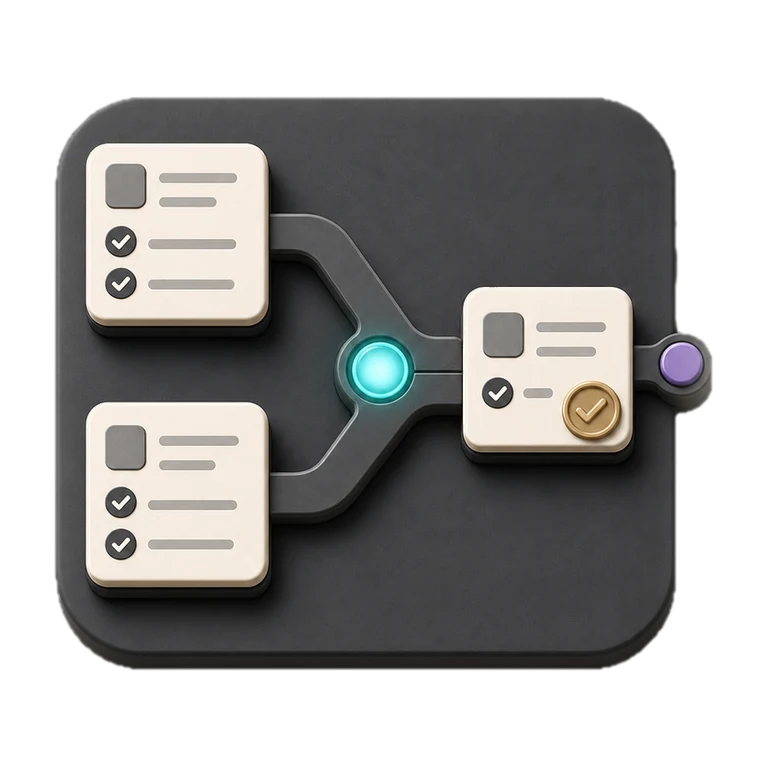
Fuse.
Software changes ordered by risk
Know the risk before you read the change.
One of fifteen tools the studio built for its own work. We build the same kind of app for clients, shaped around the job they need doing.
- Made for
- Keeping the review of changes fast, ranked, and real
- Shape
- Small app in the Mac menu bar
- Data
- Stays on the machine
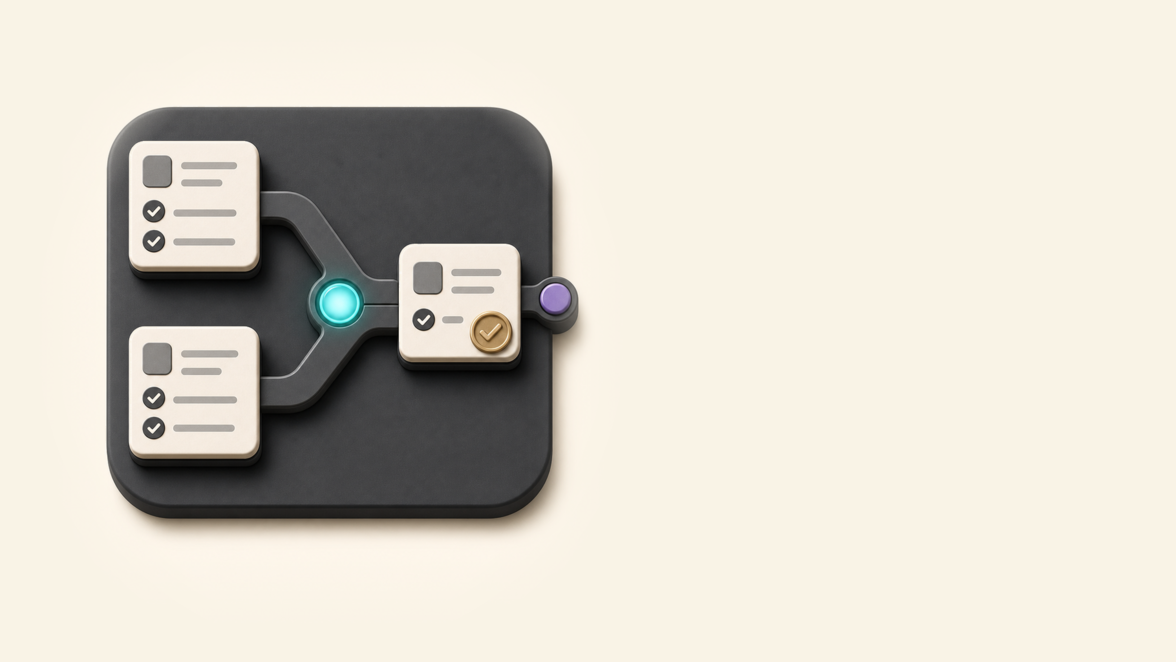
What Fuse does.
Every software change should be read before it is released. When several projects are moving at once, those checks can pile up or get rushed. Fuse gathers the waiting changes into one clear list.
Each change receives a risk score from one to ten, so the important checks come first. AI prepares review notes; a person confirms them, asks for changes or investigates further.
Use the same pattern for any approval list: bring urgent items forward and give the person checking them a useful first draft.
Why we built Fuse.
Across many projects the waiting changes gathered faster than anyone could read them, and the order they arrived in had nothing to do with which mattered.
Fuse puts every proposed change in one place, ranks it by risk and starts the reading before a person sits down.
How Fuse earns its place in a working day.
Changes gather together
Every proposed change across our projects appears in a single view, with no need to check each project separately.
Scored one to ten
Each change gets a risk score, so the dangerous ones surface first and the trivial ones stop clogging the front of the queue.
AI prepares the notes
AI reads each change in context and prepares structured findings: possible faults, areas of risk and points to check by hand.
A person decides
Confirm, ask for changes, or dig deeper, in a focused session with a timer, built for clearing a queue properly.
Reviewing stopped waiting for a quiet day
Because the reading starts drafted and ranked, the check fits into the day it's needed, not the end of the week.
Risky changes move forward
Attention goes to the changes with the highest risk instead of whichever item happens to appear first.
Nothing goes stale silently
A change that sits unread for a fortnight gets flagged, so the queue can't quietly rot.
Made to fit the work it needs to do.
The division of labour inside Fuse is the one we recommend everywhere: AI drafts, a person confirms. The draft makes the checking faster; the person makes it count.
It's built for the keyboard and for focused sessions, because a checking tool that feels like a chore doesn't get used, and a check that doesn't happen protects nobody.
AI reads each proposed change in context and prepares structured findings: possible faults, areas of risk and points to check by hand. A person makes the final decision.


Could your business use something like this?
Tell us the job in plain English. We'll say what would solve it, what it would cost, and whether a desktop app is the right shape for it.